Showing posts with label integrators. Show all posts

Tuesday, 20 July 2021

Contactless technology for safer built environments

In the past year, online searches for contactless products have increased by up to 2000%. As anxiety continues to spread over the outbreak of COVID-19 through contact or shared surfaces, these technologies offer a potential solution for homes, offices or any built environment that wants to reduce the risk of the viral spread. Here is a mini list of contactless technologies that are available at your disposal:

Digital Control: One of the most famous examples of contactless technology, IoT technologies, is the use of apps on your smartphones or tablets to control lighting, temperature, security, and more. This technology allows one to change the inhabited environment or access data without any external contact, eliminating physical interactions. Due to its flexible usage, you can apply this technology to almost any built space. 

Motion sensors: This technology eliminates unnecessary contact and the hassle of finding and turning the light switch on. With this technology, one minor but significant point of contact in workspaces and homes can be eliminated, reducing the potential risk of germs and diseases. Not only are we procuring safety measures, but ensuring the reduction in energy use and costs by adequate margins.

Smart bathrooms: One of the most important spaces to use contactless technology and to maintain hygienic and safer environments is a bathroom or public restrooms in workspaces and public places. Technologies such as intelligent toilets flush automatically through a timer and sensor and open and close automatically as well. Motion sensor toilets and faucets, intelligent bathroom systems have already received a spiked interest in society. 

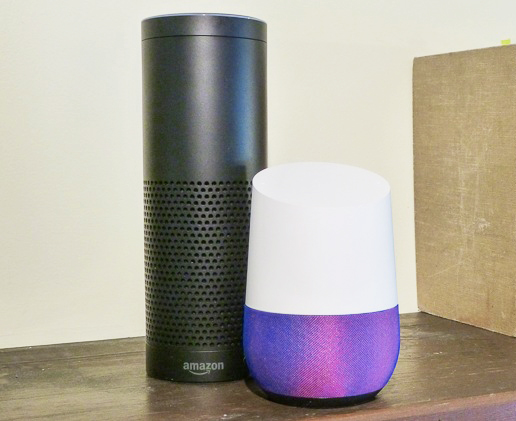
Voice Control: Another aspect of contactless methods of interfacing with intelligent system is through the use of Amazon Alexa, Google Home, Apple Siri etc. to achieve a change in your lighting or to change the channel on your TV or to adjust the temperature on your AC or to even open your doors.

Friday, 16 April 2021

Smart Home Technology For A Sustainable Lifestyle


Living a sustainable lifestyle requires a great deal of dedication and awareness. Over the years, the environment has been harmed and polluted in numerous ways by us. Keeping that in mind, we are learning together to make a change by doing small bits to reduce the carbon footprint.


Before investing in smart home technology, it is crucial to understand what it means. Smart home technology incorporates a range of products that can be used at home to make everyday life more comfortable and simpler. The home can be transformed using advanced technology with a simple set-up and connection to the internet system.


Though smart home systems vary widely in pricing and capabilities, there are a number of affordable options available to make the right choice. Whether you select one simple device for your home or make your full home a smart home, you can pick the one suitable for your needs and budget.


Smart Plugs

Smart plugs can make a great addition to your home for smart set-ups. They can be used to set a schedule or use a voice command to turn on or off anything. With these plugs set to a timer, you can watch TV while falling asleep and a lot more without worrying about wasting electricity or fire risks. Not only do devices like this simplify your life, but they also keep you in line with your sustainable lifestyle goals.


Smart Thermostats

Smart thermostats work similar to regular thermostats but with greater control  and accessibility. With the integration of mobile devices, you can turn the AC on or off from anywhere in the world. It also allows you to see how much energy you have been using. 


Smart Appliances

Going eco friendly while buying your new appliance is a great option to consider. There are several appliances integrated with smart capabilities that can help your devices run more efficiently. Some of the features that these appliances come with are alerting you when the door is open, connection with smart devices etc. While purchasing these appliances, click for the certification with an official energy efficiency label to invest in an eco-friendly appliance.


Smart Lighting

One of the easiest ways of making a smart and efficient switch to a sustainable life with automation is introducing smart lighting into your home. Replacing incandescent light bulbs with smart LED bulbs can reduce your energy consumption. The LED bulbs are also safer and produce less waste over time. Using a mobile device to control the lighting in your home will ensure that you never forget to turn off lights when leaving a room.


Monday, 29 October 2018

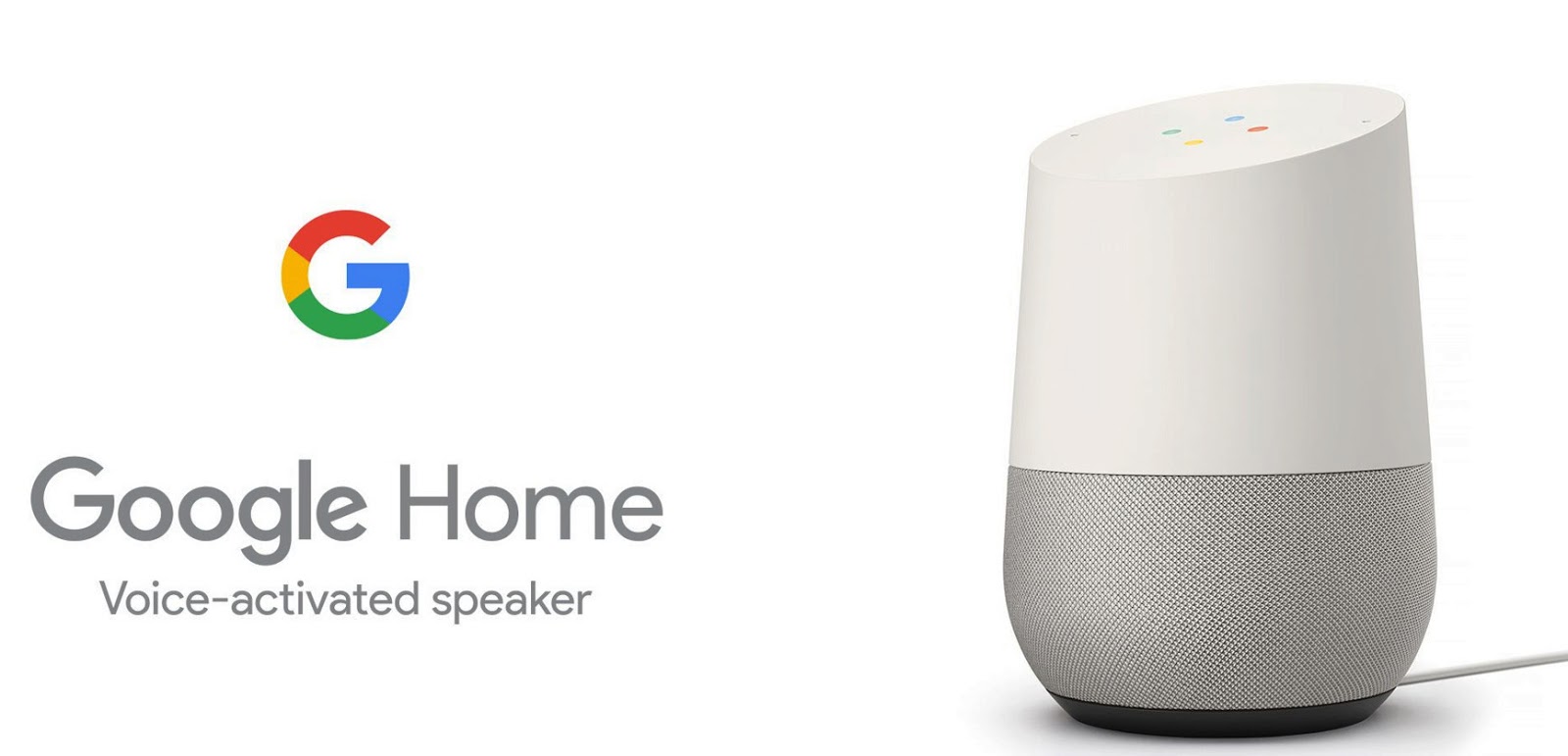
Voice commands (Alexa and Google Home) for Home automation


We at Anusha Technovision (ATPL) are updated with the latest technologies to provide the customers with the best and latest solutions. Currently, home automation based on voice control is what is trending these days and within this context- we introduce you to Alexa and Google Home (GH). 

Yes, Alexa from Amazon and GH from Google, help to provide the home owner, the next level of automation by providing voice controls to an automated home. Voice Control is meaningful for smart-home users, because it lets one control all the connected devices, without having to take out the phone and launch an app. 
Alexa can respond to voice commands from almost anywhere within hearing distances; and the good thing is that unlike like the smart phone, there’s no activation button to press. Simply say the right word (either “Alexa,” “Hey Google”) followed by what you want to happen, and the task will be done—as long as it been set up properly and you are using the correct command. It lets you speak your choice of words and see them being fulfilled such as dimming your lights or playing music tracks and much more.

So who can do all this setup for you?

It's us!  AnushaTechnovision(ATPL) can configure your Alexa/GH with an existing home automation system. And once done, you can call for different lighting moods, play a specific channel on your TV, control your shades, turn on/off your HVAC; in simple words, control each and everything under the system with just a mere voice command, making life simpler than ever—all while your phone stays in the pocket.


We can configure each and every command as per your choice of specific words. Once you get used to the command/quirks, using ALEXA/GH feels much more natural and responsive as compared to a phone-based voice assistant like Apple’s Siri. As a result, you are likely to find yourself using your phone less frequently when you’re at home.  If you thought the transition from flipping light switches to pressing smartphone buttons was game-changing, then having Voice commands control your tasks will be even more satisfying in a true-geek way. And after usage over a couple of months, if you need any tweaks, we even provide a complimentary visit for a final setup of all your ALEXA/GH commands. 

Next step in voice commands?
     Recognizing the voice command of the person and acting accordingly. Some baby steps have been made by Google and Amazon so that a Home owner may not want his hired help to be able to do the same thing that his own voice does.Completing multiple actions with one voice command such as “dim  lights, play music and also turn the bath on”,  at the same time, is not possible, at least yet.


However, we firmly believe that Alexa/GH isn’t a comprehensive smart-home system. It won’t replace a well-programmed graphic user interface on your IPad or iPhone, and at least as of now, it won’t allow for complex integrations of multiple devices (“turn the lights green when rock music plays in the kitchen” is not a valid command), and it won’t always be the most practical means of interacting with your other devices. Rather, we should think of it as an interface for your smart home, that provides additional means of control and functionality that an app on your phone can’t. This makes it an easier product to rely upon!

-Alok Hada, Director, Anusha Technovision Pvt. Ltd

Sunday, 22 April 2018

Energy Efficient Lighting


Lighting constitutes about 35% of the energy consumption in commercial buildings, making it the highest energy consuming component, according to data obtained from the US government. In India, lighting is the second highest component of energy consumption in buildings, only next to HVAC systems, and estimated to be at least 20-25%.

From the data, we can identify that lighting is a crucial factor in efficient building designs and automation systems. There is an effort to make individual lighting fixtures as efficient as possible, but the industry must acknowledge the fundamental role of Lighting Controls in furthering the objective.


Lighting Management systems can cater to three major sectors – Residential, Hospitality and Corporate/Commercial. In residences, preset lighting control systems can cater to aspects of ambience and convenience. Attractive wall-mounted, custom-engraved, and backlit lighting keypads add aesthetics, with optional control via wireless keypads or smart phones providing easy access and flexibility of use.


In the Hospitality sector, the major focus is on achieving the correct ambience with lighting controls.Hotels such as the ‘ITC Group’ who are  energy conscious, also stress on reducing energy consumption through controls. Here again, the preset Lighting control systems play a role. In commercial or corporate settings, the main driver for automation is the ability to reduce power consumption through the usage of sensors such as occupancy sensors and day light sensors. This is all then monitored and measured through a Lighting Management System (LMS), called Quantum System from Lutron. In the last 3-4 years, this sector has experienced tremendous growth.
Where energy efficient lighting fixtures are low hanging fruits, allowing reduction in usage, without compromising on the quality of ambience or convenience; Lighting Controls form the network, the tree itself, enhancing flexibility to change the transfer of resource depending on real-time requirements.

By incorporating state of the art Lighting Management systems, buildings can achieve energy savings targets and desired management levels with real time monitoring and control. Integrating hardware and software, and to service and combine dimming modules, occupancy sensors, motorized shades, sun trajectory sensors, daylight sensors and time clock controls; supported and optimized by data that is collected from sensors, time clocks and scientific sources; spaces can be made more resilient.


- Alok Hada, Director, Anusha Technovision Pvt. Ltd

Sunday, 15 October 2017

Occupany & Vacancy Sensors

Occupancy & vacancy sensors are small devices designed to detect the presence of a person in a room and accordingly adjust the physical space to the optimal state. These sensors control light, shade and temperature depending on the presence of people, time of day and general weather conditions. Not only is this unique technological invention trendy and appealing due to the lack of effort required to operate the various installments in a room but it is also an ecologically friendly and cost efficient investment.


Now let's see how these sensors have a positive impact of your finances and the environment. From a young age we are told to turn off lights and fans when we leave the room, but how many of us actually remember to do this? Now, it might seems like this is not a large enough concern for many but when we think about centrally air-conditioned spaces where we spend most of our time such as offices, malls, restaurants do you really think about asking someone to turn the temperature of the AC down or turn of the lights when you leave the bathroom? These costs that where always considered fixed are what occupancy and vacancy sensors attempt to reduce, not to mention the positive environmental impact! The occupancy and vacancy sensor can even play a impactful role in residential situations. The light sensors can prove to be crucial in housed with small children to ensure safety, during the evenings and at night, as well as responsible use of electricity. Let's admit it. Children never turn off the light! 


While Occupancy sensors have been around for some time, what has changed is the way they operate and the technology they adopt. For e.g the earlier motion sensors worked on  passive IR Technology where in a major motion was required between the various IR rays emitted by the sensor- for the sensor to detect presence. While these worked fine with places such as hallways and pantry areas, they failed where the motion was very small- such as when a person occupies the office or uses the bathroom. The latest technology sensors are able to detect even minor motion and hence will generally not turn the lights off when you are sitting still and working on your lap top (say). In fact this ability to detect even minor motion could be the main reason for pricing differences, in addition to the sensor coverage areas and the technology they use to function.


Anusha Technovision offers the Radio Power occupancy Wireless sensor through its partnership with Lutron which is equipped with the best technology within the occupancy and vacancy sensor market at the moment complete with daylight sensing ability – for homes as well as for commercial office spaces. These sensors can be stand alone or part of a larger Lighting control system. When they are part of the lighting control system they can be made intelligent  for e.g a home owner could decide that his bathroom lights should turn on every time he walks into the bath room but it should happen only at night time , and in day time he has to manually turn lights on. The sensor of course turns lights off when the bathroom is unoccupied.  “Occupancy sensors can be called the foot soldiers in the fight to conserve energy.” As per Alok Hada Director ATPL.